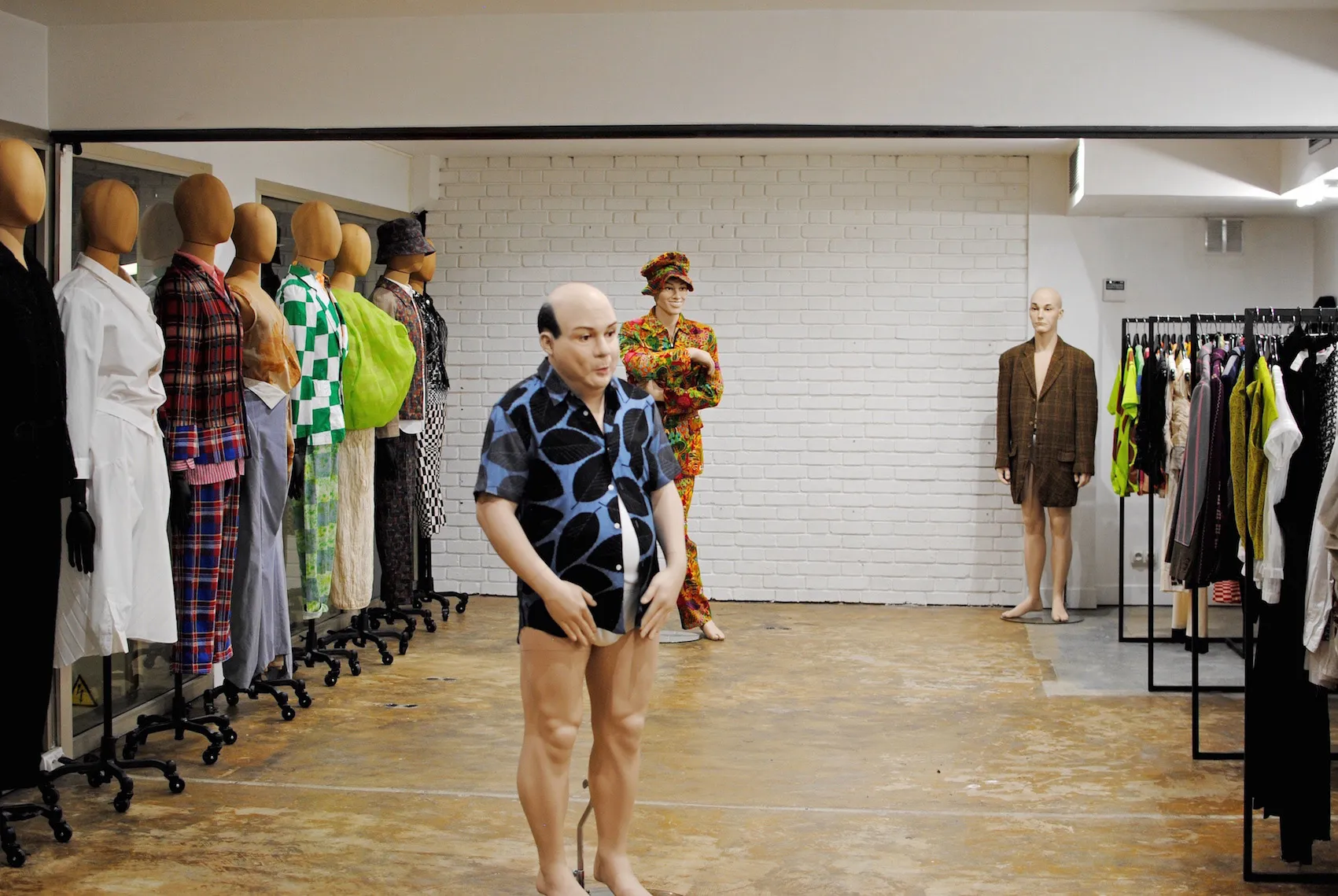
Imagine stepping into a room buzzing with the kind of energy only Paris Fashion Week can muster—collectors hunched over catalogs, phones lighting up with bids from halfway around the world, and racks upon racks of avant-garde masterpieces that look like they could walk off the mannequin and start a revolution. That’s the scene at Piasa’s auction house on October 1, 2025, where over 500 pieces from Rei Kawakubo’s Comme des Garçons went under the hammer. It wasn’t just an auction; it felt like a pilgrimage for fashion die-hards. I’ve chased a few vintage finds myself over the years—like that time I snagged a quirky ’80s jacket at a flea market that turned out to be a hidden gem—and let me tell you, the thrill of uncovering something rare is addictive. But this? This was on another level, shattering records and reminding everyone why Kawakubo’s work still shakes the industry.
What Is Comme Des Garçons?
Comme des Garçons, often abbreviated as CDG, is the brainchild of Japanese designer Rei Kawakubo, founded in Tokyo back in 1969. The name, French for “like boys,” hints at its gender-bending roots, but it’s really about challenging everything we think fashion should be—deconstructed silhouettes, unfinished edges, and a palette that swings from stark black to explosive prints. Kawakubo’s Paris debut in 1981 shocked the world with her “Hiroshima chic” aesthetic, all asymmetry and rebellion. Over decades, it’s influenced everyone from streetwear kids to high-art collectors. Think of it as fashion’s punk rock: raw, intellectual, and unapologetically weird. I once tried on a CDG piece at a pop-up shop—it hugged in all the wrong places, but damn if it didn’t make me feel like I was wearing art.
The Background of the Auction
This wasn’t your average estate sale; it was the dispersal of Hiroaki Narita’s meticulously curated collection, amassed over a decade. Narita, a Japanese design aficionado who founded his country’s first design-focused auction house, decided to let go of his treasures—pieces spanning 1969 to 1999. Why now? He told Vogue he wanted to “understand Kawakubo’s ideas” through owning them, and after years of study, he felt ready to pass them on. Piasa, better known for jewelry and design objects, launched its fashion department with this bang, timing it perfectly with Paris Fashion Week. Estimates started low, from €150 to €2,000, making it accessible yet explosive. The preview ran from September 26 to 30, drawing crowds who could actually touch and try on the items— a rarity in auction world snobbery.
Hiroaki Narita: The Man Behind the Collection
Narita isn’t just a hoarder; he’s a scholar of sorts. With a warehouse full of CDG and Margiela gems, he sourced these lots from ex-employees, private Japanese collectors (many pieces unworn for decades), and obscure auctions. His 15-year-old son even photographed the catalog in a fresh, stylized way—bright backgrounds instead of sterile white. Narita showed up in CDG menswear, bowler hat and all, admitting he’s too intimidated to meet Kawakubo herself. “She has a very crazy mind,” he said, praising her as the world’s top designer. It’s relatable—I’ve felt that awe flipping through old fashion mags, wondering how one person rewrites the rules so boldly.
The Auction Atmosphere: Bids and Buzz
Picture this: the auction kicks off amid Fashion Week chaos, overlapping with Jonathan Anderson’s Dior debut. Bidders toggled between livestreams and paddles, creating a frenzy. Early lots went cheap—handknit sweaters for €250—but things heated up fast. Fans from globally dialed in, museums snapped up pieces, and the room felt like an “altar to the goddess of avant-garde.” Piasa’s Paul Viguier called it an “extraordinary opportunity,” treating garments as art, not just clothes. One anecdote: a pink coat from 1995 sparked a bidding war, echoing the competitive spirit. It was electric, like that estate sale I crashed where everyone eyed the same vintage find—pure adrenaline.
Key Pieces That Stole the Show
The catalog was a treasure trove, from early Tricot knits to ’90s runway icons. Here’s a snapshot of standouts:
- A black cotton distressed dress from 1980, raw and rebellious, hammered at €15,600 ($16,900)—a world record.
- Cotton and wool draped coat (Lot 148) from the early days, fetching €14,200 ($15,422).
- Pink two-dimensional coat from Sweeter than Sweet (Fall 1995), sold for €7,000 ($7,600).
- Smoked black and white top from Round Rubber (Spring 1984), estimated €300-400, soared to €4,500 ($4,900).
- Leather Mary Jane flats, modeled by Basquiat in 1987, went for a steal at €570 ($617).
These weren’t just clothes; they were slices of history, like the Pirates collection’s outsized contours or Body Meets Dress’s padded provocations.
Records Broken and Total Haul
The star? That 1980 distressed dress, clinching the world record for CDG at auction. Lot 140 hit €14,432, another high. Overall, 75% of lots sold, totaling €350,000 including premiums—impressive for vintage fashion. Museums worldwide grabbed pieces, ensuring Kawakubo’s legacy lives on. Compared to past sales, like a Gaultier gown at €362,500, this shows CDG’s rising collectible status. It’s emotional, too—watching prices climb feels like validating an artist’s genius.
Comparing to Other Iconic Fashion Auctions
Let’s stack it up:
| Auction Event | Year | Total Sales | Key Record Piece | Focus |
|---|---|---|---|---|
| Comme des Garçons at Piasa | 2025 | €350,000 | 1980 Distressed Dress (€15,600) | Avant-garde womenswear 1969-1999 |
| Jean Paul Gaultier Haute Couture | 2024 | €362,500 (single lot) | 1999 Denim Ostrich Gown | Couture eveningwear |
| Supreme Collection in Paris | 2018 | $1 million | Various streetwear items | Hype culture memorabilia |
| Diana’s Dresses at Julien’s | 2023 | £900,000 | 1985 Jacques Azagury Gown | Royal fashion history |
CDG’s sale stands out for volume and accessibility—many lots under €500—versus single high-ticket items elsewhere. It’s more democratic, appealing to new collectors.
Pros and Cons of Collecting Vintage Comme Des Garçons
Diving into CDG collecting? Here’s the real talk.
Pros:
- Investment potential: Pieces like the 1980 dress appreciate fast, outpacing some stocks.
- Wearable art: Many are functional, blending history with everyday style.
- Community buzz: Join forums or events—I’ve made friends over shared obsessions.
- Sustainability win: Vintage reduces waste, aligning with eco-fashion trends.
Cons:
- Condition issues: Older fabrics fray; that distressed look isn’t always intentional.
- Sizing challenges: Kawakubo’s fits are experimental—my one CDG buy needed tailoring.
- Market volatility: Not all pieces skyrocket; research is key.
- Storage woes: These aren’t fold-and-forget; think climate control.
Overall, the joy outweighs the hassles if you’re passionate.
How This Auction Influences 2025 Fashion Trends
This sale reignites interest in deconstruction and asymmetry, trickling into streetwear and high-end alike. Expect more brands nodding to Kawakubo—think padded shoulders or unfinished hems in fall lines. It also boosts vintage hunting, with apps like Depop surging in CDG searches. For me, it’s a reminder that bold design endures; I’ve started eyeing ’90s-inspired pieces for my wardrobe refresh.
Where to Get Similar Looks
Craving CDG vibes without the auction frenzy? Navigational spots include Dover Street Market (Paris or online) for current lines. For vintage, try eBay or 1stDibs—search “Rei Kawakubo vintage.” Best tools: Use Depop for affordable dupes or Vestiaire Collective for authenticated pieces. Transactionally, snag entry-level items like Play line hearts tees from SSENSE, starting at $100. External link: Check Piasa’s site for future sales (piasa.fr).
People Also Ask (PAA)
From Google searches on the topic:
- What was the Comme des Garçons auction in Paris? A record-breaking sale at Piasa on October 1, 2025, featuring over 500 Kawakubo pieces from 1969-1999, totaling €350,000.
- Who is Rei Kawakubo? Founder of Comme des Garçons, a pioneering Japanese designer known for avant-garde, deconstructed fashion since 1969.
- What records were broken at the CDG auction? A 1980 black distressed dress sold for €15,600, setting a world record for CDG at auction.
- Where can I buy vintage Comme des Garçons? Online platforms like 1stDibs, Vestiaire Collective, or in-person at Dover Street Market.
FAQ
What made this Comme des Garçons auction epic?
Its scale—over 500 lots—and timing during Fashion Week created bidding wars. Pieces from iconic collections like Pirates and Body Meets Dress drew global fans, with museums acquiring many. The hands-on preview added intimacy, making it feel like a fashion pilgrimage.
How much did the auction raise, and what were top sales?
Totaled €350,000 with 75% sold. Standouts: 1980 distressed dress at €15,600 (record), 1995 pink coat at €7,000, and Basquiat-modeled flats at €570. Low estimates made it accessible, but competition drove prices up.
Why collect vintage CDG now?
Kawakubo’s influence is timeless, and auctions like this highlight investment value—pieces appreciate 200-300% in a decade. Plus, it’s sustainable fashion with a story. I started with a simple tee; it sparked a deeper appreciation for design history.
Are these pieces wearable or just for display?
Many are! Early knits and jackets suit everyday, though experimental fits need styling. Viguier noted buyers wear them, treating as art you live with—humorous, since some “lumps” might not flatter my coffee runs.
What’s next for CDG auctions?
Watch Piasa for more fashion launches; internal links to their catalog (piasa.fr/en/auctions). External: Vogue’s coverage for trends (vogue.com/fashion).
In the end, this auction wasn’t just about money—it celebrated Kawakubo’s defiant spirit, turning clothes into cultural artifacts. I’ve pored over photos, dreaming of owning a sliver of that magic. If it sparks you to hunt vintage or rethink your closet, that’s the real win. Fashion’s best when it tells a story, and this one? Epic.
(Word count: 2,812)