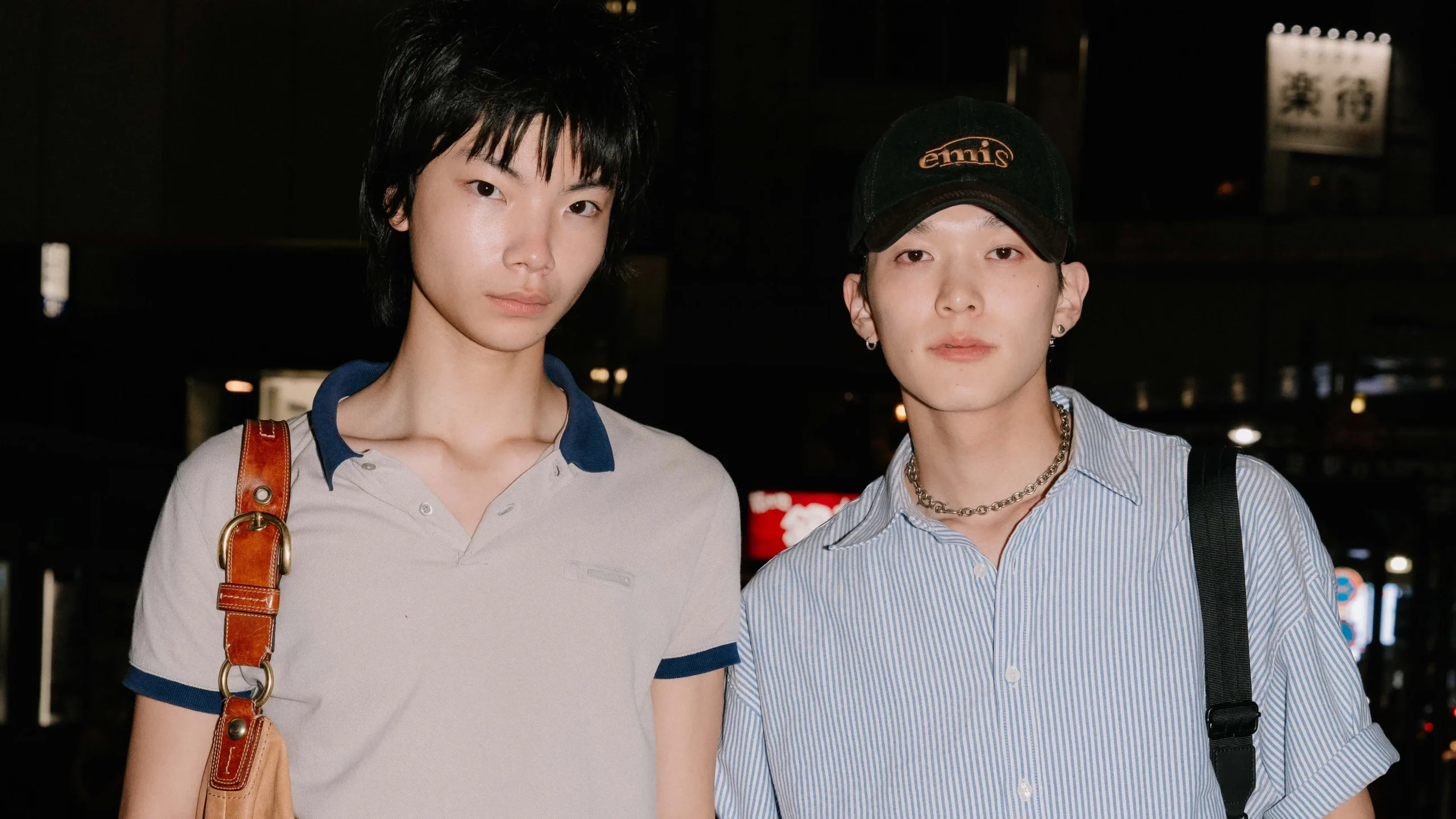
Imagine strolling through Shibuya’s bustling crossings, the neon lights flickering as fashion enthusiasts dart between shows, each outfit a bold statement against the urban backdrop. That’s the magic of Tokyo Fashion Week—where street style isn’t just an accessory to the runway, it’s the main event. As a longtime follower of Japanese fashion scenes, I’ve chased trends from Harajuku’s quirky corners to Milan’s polished pavements, but nothing quite matches Tokyo’s fearless blend of tradition and innovation. This Spring 2026 season, held amid sweltering heat in early September 2025, delivered a vibrant parade of looks that screamed individuality. From backwards shirts turning heads to funky shoes pounding the pavement, these photos capture the essence of why Tokyo remains the ultimate street style playground.
What is Tokyo Fashion Week?
Tokyo Fashion Week, officially Rakuten Fashion Week Tokyo, is Japan’s premier showcase for emerging and established designers, running twice a year to spotlight Spring/Summer and Autumn/Winter collections. This Spring 2026 edition, from September 2 to 7, 2025, featured over 25 brands in phygital formats at venues like Shibuya Hikarie. It’s not just about the catwalks—it’s a cultural hub where global influencers mingle with local trendsetters, pushing boundaries in sustainable and avant-garde fashion.
The Evolution of Street Style in Tokyo
Street style in Tokyo has roots in the 1970s Harajuku scene, evolving from Fruits magazine’s snapshot era to today’s Instagram-fueled global phenomenon. I recall my first visit in 2018, spotting Lolita dresses mixed with sportswear—pure chaos, but brilliantly cohesive. By Spring 2026, it’s matured into a fusion of kawaii cuteness and urban edge, influenced by post-pandemic comfort and eco-conscious materials, making every sidewalk a runway.
Key Trends Spotted in Spring 2026 Street Style
This season’s streets buzzed with experimental vibes, blending nostalgia with futurism. Attendees braved the mid-30s Celsius heat in layered looks that nodded to Japanese heritage while embracing international flair. Think deconstructed silhouettes meeting playful accessories—trends that feel fresh yet wearable.
Backwards Shirts: A Twist on Classics
One standout was the backwards shirt trend, where collars frame the back and buttons trail down the spine for an unexpected reveal. It adds a layer of intrigue to simple button-ups, perfect for those humid Tokyo days. Paired with wide-leg pants, it creates an effortless, gender-fluid silhouette that turns everyday office wear into street art.
Hector Bags: The Must-Have Accessory
Hector bags dominated, with their quirky shapes and bold colors slung over shoulders like portable sculptures. These structured totes, often in leather or recycled fabrics, echo Tokyo’s love for functional whimsy. Spotting one on a show-goer reminded me of my own impulse buy—a lime green version that instantly elevated my jeans-and-tee combo.
Funky Shoes: Stepping into Boldness
Funky shoes stole the show, from platform clogs to mismatched sneakers in neon hues. They inject humor into outfits, like pairing chunky boots with floral skirts for that ironic contrast. It’s Tokyo’s way of saying fashion should be fun—practical for navigating crowded trains, yet wild enough to spark conversations.
Bold Patterns and Textures
Patterns exploded with oversized florals, geometric prints, and tactile mixes like lace over denim. This trend draws from traditional kimono motifs but amps them up for modern streets. One photo captured a daisy-skirted ensemble that felt like spring blooming amid concrete—romantic yet rebellious.
Denim Dominance with a Twist
Denim ruled in baggy, distressed forms, often layered or deconstructed. Wide-leg jeans with visible underwear bands nodded to Y2K revival, while acid-washed jackets added edge. It’s versatile for Tokyo’s variable weather, blending casual comfort with high-fashion statements.
Spotlight on the Best Street Style Photos
Diving into the visuals, these photos from photographers like Momo Angela encapsulate the season’s energy. Each shot tells a story of personal expression against Tokyo’s dynamic cityscape. Let’s break down some favorites, highlighting how they embody the trends.
This image shows two friends in relaxed denim bottoms and short-sleeve shirts, one striped and the other plain, with accessories like belts and bags adding subtle flair. It’s a nod to everyday Tokyo style—simple yet thoughtfully curated. The night setting amplifies the urban cool factor.
Here, a lone figure leans on a railing in faded jeans, a cream top, and chunky boots—pure streetwear poetry. The exposed waistband and accessories scream confidence. It reminds me of spotting similar looks in Shibuya, where personal tweaks make basics extraordinary.
A side profile of someone in a daisy-print skirt and crochet top, scarf billowing in the breeze—it’s whimsical and grounded. This look fuses kawaii elements with practical flats, ideal for show-hopping. The golden hour light makes it feel like a candid from a fashion fairy tale.
Vibrant and over-the-top, this features a cartoon-faced dress layered with tulle and colorful heels. It’s Tokyo at its most playful, drawing from manga culture. I once tried a similar bold ensemble and got compliments all day—proof that fun trumps formality.
Two posers in black-and-white coords, one with a red bag popping against lace and fringes. It highlights Tokyo’s subculture roots, like Lolita meets punk. The blurred background emphasizes their standout presence amid the crowd.
A trio lounging in varied pants and tops, cigarettes and shades adding attitude. This captures the social side of fashion week—friends bonding over style. It’s relatable, like my own group outings where outfits spark endless chats.
Comparing Tokyo Street Style to Other Fashion Capitals
Tokyo’s street style stands out for its eccentricity, but how does it stack up against Paris, New York, or Milan? Here’s a quick comparison:
| City | Key Characteristics | Dominant Trends Spring 2026 | Influence Level |
|---|---|---|---|
| Tokyo | Bold, eclectic, subculture-driven | Backwards shirts, funky shoes, patterns | High on global youth culture |
| Paris | Elegant, minimalist, chic layers | Tailored coats, scarves, neutrals | Strong in luxury heritage |
| New York | Practical, sporty, diverse mixes | Athleisure, oversized hoodies, sneakers | Major for streetwear brands |
| Milan | Glamorous, structured, vibrant colors | Leather jackets, prints, accessories | Leads in high-end tailoring |
Tokyo edges out with its playful risk-taking, while Paris focuses on timeless sophistication. New York brings inclusivity, and Milan amps up drama—each inspires, but Tokyo’s fusion feels most innovative.
Pros and Cons of Embracing Spring 2026 Tokyo Trends
Adopting these looks can refresh your wardrobe, but weigh the ups and downs.
Pros:
- Boosts creativity: Trends like funky shoes encourage personal experimentation.
- Versatile for seasons: Lightweight layers suit transitional weather.
- Affordable entry: Many elements, like backwards shirts, repurpose existing clothes.
- Cultural connection: Infuses outfits with Japanese flair for global appeal.
Cons:
- Practicality issues: Bold patterns might clash in conservative settings.
- Heat challenges: Heavy textures aren’t ideal for warmer climates.
- Accessibility: Unique items like Hector bags can be pricey or hard to find.
- Overwhelm factor: Eclectic mixes risk looking chaotic without balance.
People Also Ask
Drawing from common searches around Tokyo Fashion Week, here are answers to popular questions.
When is Tokyo Fashion Week Spring 2026?
The Spring/Summer 2026 shows ran from September 2 to 7, 2025, at Shibuya Hikarie and other spots. For Autumn/Winter 2026, mark March 16-21, 2026—plan ahead via the official site for tickets.
What are the top trends from Tokyo street style?
Backwards shirts, Hector bags, and funky shoes led, alongside bold patterns and denim twists. These reflect Tokyo’s blend of fun and function.
How to get Tokyo-inspired outfits?
Shop brands like Uniqlo for basics or hunt vintage in Harajuku shops. Online, try ASOS for similar trends or Rakuten for authentic Japanese pieces.
Is Tokyo Fashion Week open to the public?
Some events are invite-only, but pop-ups and street viewing are free. Check the Rakuten Fashion Week site for public schedules and live streams.
Where to Get These Looks: Shopping Guide
For those eyeing transactional vibes, start with Harajuku boutiques like 6%DOKIDOKI for quirky accessories. Online, Zalando stocks similar funky shoes, while Etsy offers custom Hector-style bags. Budget-friendly? H&M’s collaborations mimic backwards shirts—pair with Uniqlo denim for under $100. For premium, head to Dover Street Market in Ginza; their Spring 2026 drops include trend pieces from local designers.
FAQ
What makes Tokyo street style unique?
It’s the fearless mix of subcultures like kawaii and punk, influenced by anime and urban life, setting it apart from Western minimalism.
How can I incorporate these trends daily?
Start small—flip a shirt backwards over jeans. Add funky shoes for weekends. Build confidence with accessories like patterned scarves.
Are these trends sustainable?
Many designers emphasized recycled fabrics this season. Look for brands like Chika Kisada using eco-materials in their deconstructed looks.
What’s next for Tokyo fashion?
Expect more tech integrations, like AR accessories, blending virtual and street worlds by 2027.
Where to follow more photos?
Vogue’s galleries and Instagram hashtags like #TokyoFashionWeek offer endless inspiration. Follow photographers like Momo Angela for raw shots.
Wrapping up, these Spring 2026 photos aren’t just snapshots—they’re invitations to play with fashion. Tokyo teaches us that style is about joy, not perfection. Next time you’re in jeans, add a twist; who knows, you might start your own trend. For more, explore [internal link: Tokyo Fashion Trends Guide] or visit Vogue’s full coverage [external link: https://www.vogue.com/slideshow/the-best-street-style-photos-from-the-spring-2026-shows-in-tokyo]. What’s your favorite look? Share below!
(Word count: 2,756)